

Written by
Samuel Bradshaw
,
Director of Business Solutions
Manufacturing Is Our Region’s Backbone
In Pierce County, manufacturing isn’t just an industry. It’s woven into the very fabric of our economy. From aerospace and maritime operations to precision machining and advanced materials, this sector touches nearly every corner of our community. Anchored by the Port of Tacoma and an expansive network of industrial parks, our region uniquely bridges local production with global opportunities.
Pierce County is bustling with nearly 18,700 businesses supporting over 340,000 workers, and manufacturing plays a central role. It doesn’t just fuel production lines. It powers logistics, supply chain management, and even tech integration.
Shaping the Future: Trends Reshaping Manufacturing
Like much of the nation, Pierce County’s manufacturing scene is on the move, evolving in exciting and challenging ways:
Automation & Technology
Robotics, AI, and digital tools are revolutionizing traditional workflows and demanding a new breed of tech-savvy workers.
Reshoring & Supply Chain Security
More companies are bringing operations back stateside, driving demand for local facilities and talent.
Sustainability
Green manufacturing practices and clean technologies are no longer optional. They are quickly becoming the standard.
Talent Shortages
Employers seek candidates with the rare blend of hands-on experience and technical know-how, and they are finding there is a gap.
Together, these trends are creating a landscape rich with opportunity, but one that is complex and ever-changing.
The Workforce Challenge: Filling the Gaps
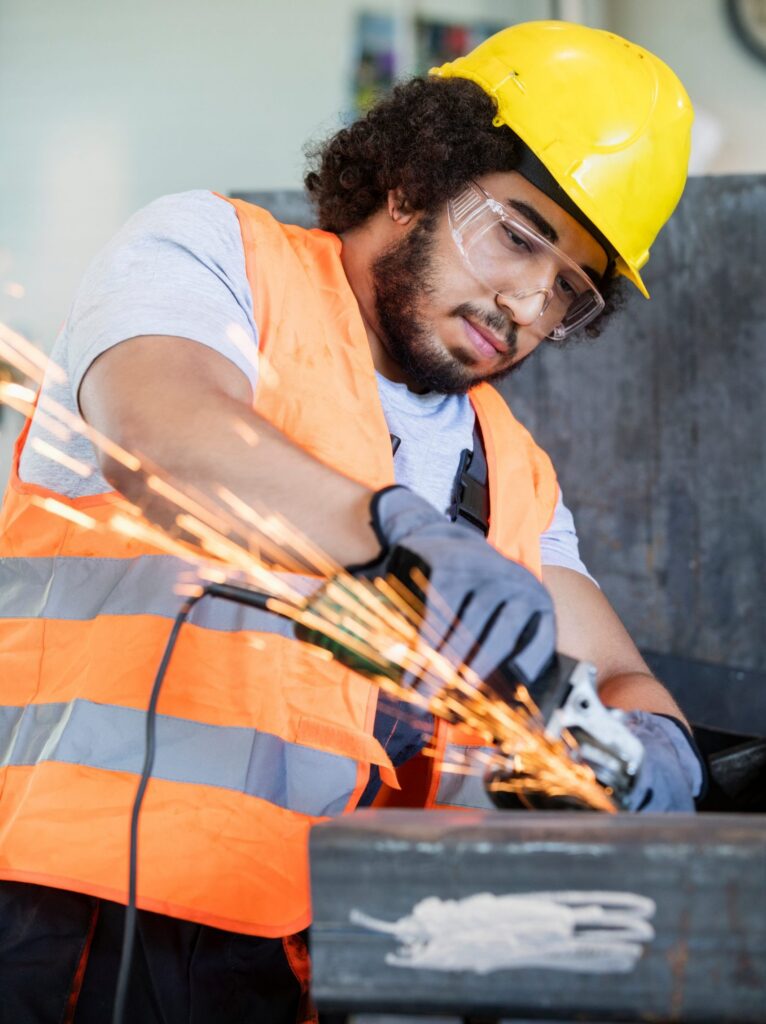
Despite its strength, manufacturing in Pierce County faces a critical hurdle: a persistent skills gap. Key roles such as CNC machinists, welders, maintenance technicians, production supervisors, and quality assurance specialists are tough to fill. This challenge is amplified by the fact that many experienced professionals are nearing retirement.
Further, long-term shifts in global trade policy, particularly the use of tariffs, also weigh heavily on the future of the manufacturing industry. While tariffs are designed to protect domestic industries, they can also drive up the costs of manufacturing for companies that rely on materials or components (e.g., aluminum). Over time, this dynamic can create a balancing act; some local businesses may benefit from less foreign competition, while others must innovate or reconfigure supply chains to remain competitive. For Pierce County, where international trade is central to our economy, tariffs highlight just how important resilience and adaptability are for sustaining growth.
Together, these trends are creating a landscape rich with opportunity, but one that is complex and ever-changing.
Building the Next Generation of Skilled Workers
This moment calls for collaboration. Industry leaders, educators, and workforce systems are already responding. Here’s how:
Apprenticeships & Pre-Apprenticeships
Programs like the Manufacturing Academy (AJAC) offer “earn while you learn” pathways that build both technical and soft skills, from blueprint reading to real-world equipment use.
Technical Education Partnerships
Local institutions such as Bates Technical College, Clover Park Technical College, and others align their curricula with evolving industry needs.
Upskilling Programs
Current workers are being equipped with training to navigate new tools and processes, ensuring they remain front and center in the future of manufacturing.
It’s this strong ecosystem, where education meets opportunity, that keeps manufacturing a viable path to family-wage jobs and upward career mobility.
How WorkForce Central Anchors the Ecosystem

When we say “behind the scenes,” we mean it, and that’s by design. WorkForce Central is not leading from the frontlines. Instead, we are enabling the pipeline:
- We provide labor market insights to help pinpoint where demand is highest.
- We bring employers and educators together to co-design training that works.
- We coordinate programs like AJAC’s Manufacturing Academy and apprenticeship pathways, filling the pipeline with skilled, job-ready workers.
- We empower businesses to tap into tools such as on-the-job training, internships, and employee recruitment support.
Our role is clear. We make sure local manufacturers have access to a skilled, robust workforce, and we help jobseekers recognize manufacturing as a rewarding and accessible career path.
Conclusion
Manufacturing in Pierce County is not just holding steady. It is evolving, innovating, and expanding. With more than 11,000 new jobs projected in the years ahead, it remains one of our region’s most powerful economic engines.
By embracing innovation, sustainability, and collaborative workforce development, we ensure that businesses and workers are not just part of the future. They are leading it.
Manufacturing in Pierce County stands at a crossroads. It is stable but also ripe for innovation. The sector’s challenges and its strengths are clear. What gives us real confidence is the power of partnership. Educators, businesses, and workforce institutions like WorkForce Central are working hand in hand. Our collective efforts are laying the foundation for a resilient, future-ready manufacturing economy where opportunity, growth, and community thrive together.
For a deep dive into our region, check out our latest 2025 State of the Pierce County Workforce Report.
Read the Report
Click the button below to read the full 2025 State of the Pierce County Workforce report.