


Written by
Samuel Bradshaw
,
Director of Business Solutions
National Apprenticeship Week is here, and for Pierce County, this is more than a national celebration. It is a reminder of something we already know locally: talent is everywhere, but opportunity is not always evenly distributed.
In 2026, National Apprenticeship Week runs from April 26 through May 2, marking the celebration’s move to spring. This year’s focus is on how registered apprenticeships can help build a stronger, more skilled workforce across industries.
That matters here in Pierce County.
We are a region with builders, manufacturers, small businesses, health care providers, public agencies, educators, community organizations, and workers who are ready for their next step. We also have employers who are trying to solve a real problem: how to find people with the right skills, the right support, and the ability to grow with the company over time.
Apprenticeship sits right in the middle of that challenge.At its best, apprenticeship is simple. People work, earn wages, build skills, and move toward a career. Employers get to train talent in real time, not just hope the perfect applicant shows up. Communities benefit because more residents can access quality jobs without having to step away from work, family, or other aspects of life to pursue training.
That is why we believe apprenticeship should not be treated as a backup plan.
It is not “less than” college. It is not only for one type of student or worker. It is not only for construction, even though construction remains an important local career pathway. Apprenticeship is a practical workforce strategy that connects education, employment, wages, and long-term economic mobility.

Here in Pierce County, we already have a foundation to build from. WorkForce Central’s Pierce County Apprenticeship Program Guide describes apprenticeships as structured pathways that help people master an art, trade, or job that can lead to long-term, quality employment. It also notes that pre-apprenticeship programs help prepare people for entry and success in formal apprenticeship programs.
That distinction is important.
Not everyone is ready to walk directly into a registered apprenticeship on day one. Some people need exposure. Some need help with tools, transportation, math skills, applications, interviews, or just understanding what the pathway actually looks like. That is where community partners, colleges, labor, training providers, and employers all play a role.
Here in Pierce County, this work is already happening across multiple sectors. WorkForce Central has supported local construction and manufacturing pathways through partnerships with Palmer Pathways and AJAC-Manufacturing Apprenticeships, with a focus on helping students and participants access training tied to in-demand careers.
Manufacturing is a strong example. AJAC notes that it partners with more than 40 manufacturing companies in Pierce County for registered apprenticeship programs, serving industries such as aerospace, defense, automotive, medical, food processing, and plastics. AJAC also reports that Pierce County has 661 manufacturing establishments employing nearly 17,000 workers, with average annual wages above $67,000.
That is not abstract. That is rent. Groceries. Car payments. Childcare. Retirement. Stability. That is also business competitiveness.
When we hear the word “apprenticeship,” we often think about skilled trades like construction, electrical work, plumbing and pipefitting. Those pathways absolutely matter, but Pierce County’s workforce needs are broader than that. Non-traditional apprenticeships, including pathways in roles like childcare and early learning, show us that this model can be used to support essential industries that are facing worker shortages.
Childcare providers do complex, skilled, and deeply important work. They support the development of our children and family stability, and the ability of parents to participate in the workforce. Creating apprenticeship pathways in childcare gives workers a chance to earn while they learn, build professional skills, and gain credentials while growing into long-term careers.

Another area of growth considered “non-traditional” in the apprenticeship space is in behavioral health. Locally, we have begun expanding pathways into behavioral health careers through apprenticeship in partnership with SEIU and multiple employers engaged in the Pierce County Behavioral Health Consortium. This pathways development provides different avenues of entry into a complex career field for people in our region. If we are serious about workforce development, we must treat care work, education, and healthcare as part of the same conversation that we do the skilled trades: building quality jobs, stronger businesses, and more stable communities.
For employers, apprenticeship is one of the clearest ways to stop saying “we can’t find skilled workers” and start asking “how do we help build skilled workers?” It gives businesses a structure for training, mentorship, wage progression, and retention. It gives workers a pathway where learning and earning happen together.
Bates Technical College’s apprenticeship information makes this plain. Apprentices work in the field, earn wages at a percentage of the journey level rate, attend classes part-time, and receive regular pay increases as they progress. Programs can range from one to five years, and completion can lead to a journey-level certificate from Washington’s apprenticeship system.
That is the kind of model more people should know about.
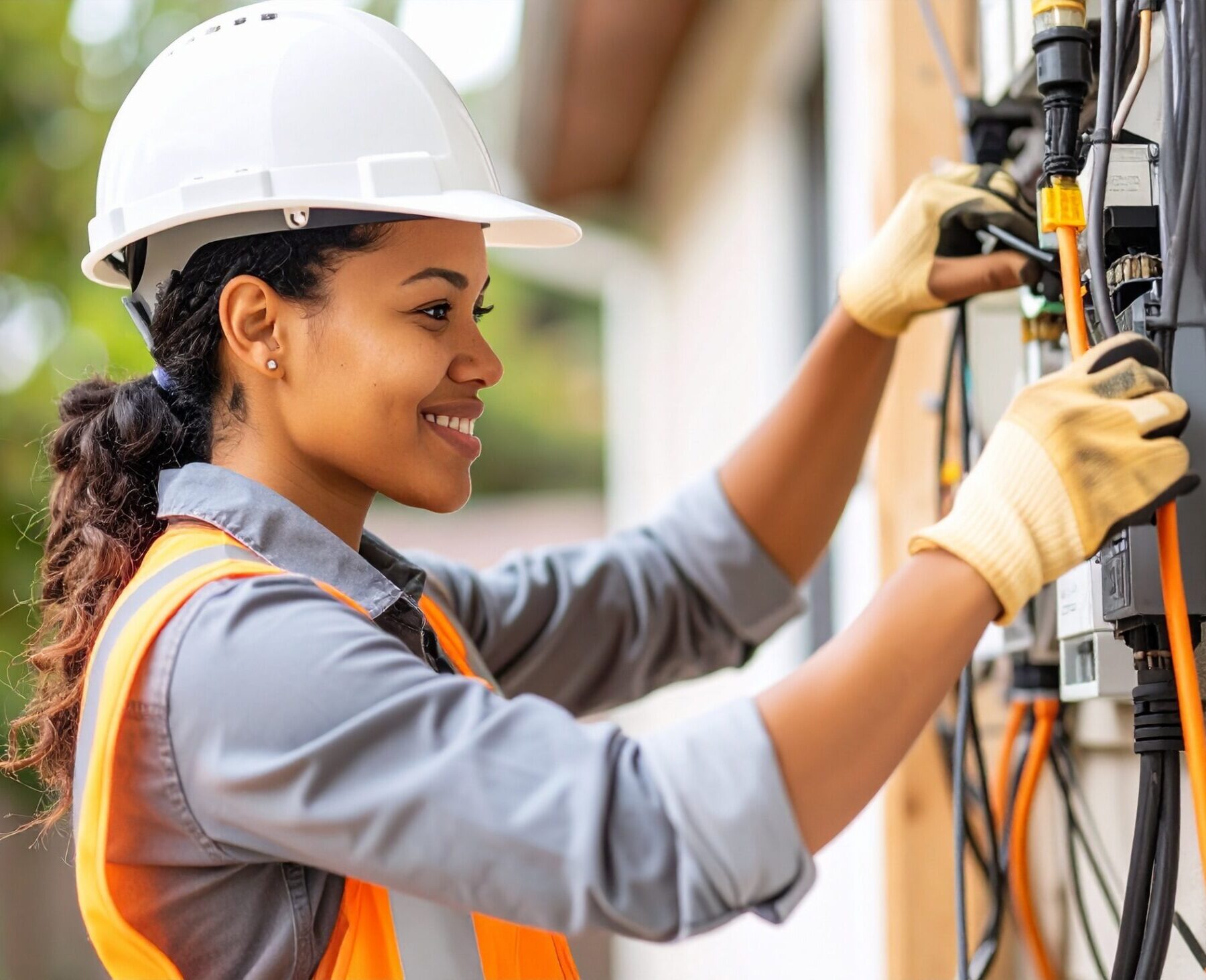
Because in workforce development, we talk a lot about pathways. Apprenticeship is one model where the pathway is not just a concept. It is built into the job. There is a starting point. There is training. There is supervision. There are wages. There are skill gains. There is a credential. There is a career on the other side.
Washington’s public works environment is also placing greater emphasis on apprenticeships. Since July 1, 2024, most local governments in Washington have been required to include apprentice utilization expectations on many public works projects, requiring at least 15 percent of labor hours to be performed by apprentices enrolled in state-approved apprenticeship programs.
That means the need for strong apprenticeship pipelines is not theoretical. It is tied to real projects, real contracts, and real workforce demand.
For Pierce County, the opportunity is clear. And, we need to keep saying the quiet part out loud: access does not happen by accident. A strong apprenticeship system requires intentional outreach, trusted community partners, supportive services, employer buy-in, and a commitment to ensuring people can complete the journey, not just start it. That is the work ahead.
So, this National Apprenticeship Week, my hope is that Pierce County does more than celebrate apprenticeships. I hope we re-commit to it.
For job seekers, an apprenticeship can be a doorway into a career you may not have considered. For employers, it can be a smarter way to build the workforce you keep saying you need. For educators and workforce partners, it can be a bridge between classroom learning, hands-on experience, and economic mobility. And for Pierce County, it can be one of the most practical tools we have to build a stronger local economy.
The talent is already here. Now we must keep building the pathways.