

Written by
Jermane Easterlin
,
Business Solutions Senior Specialist
The Buzz of Building
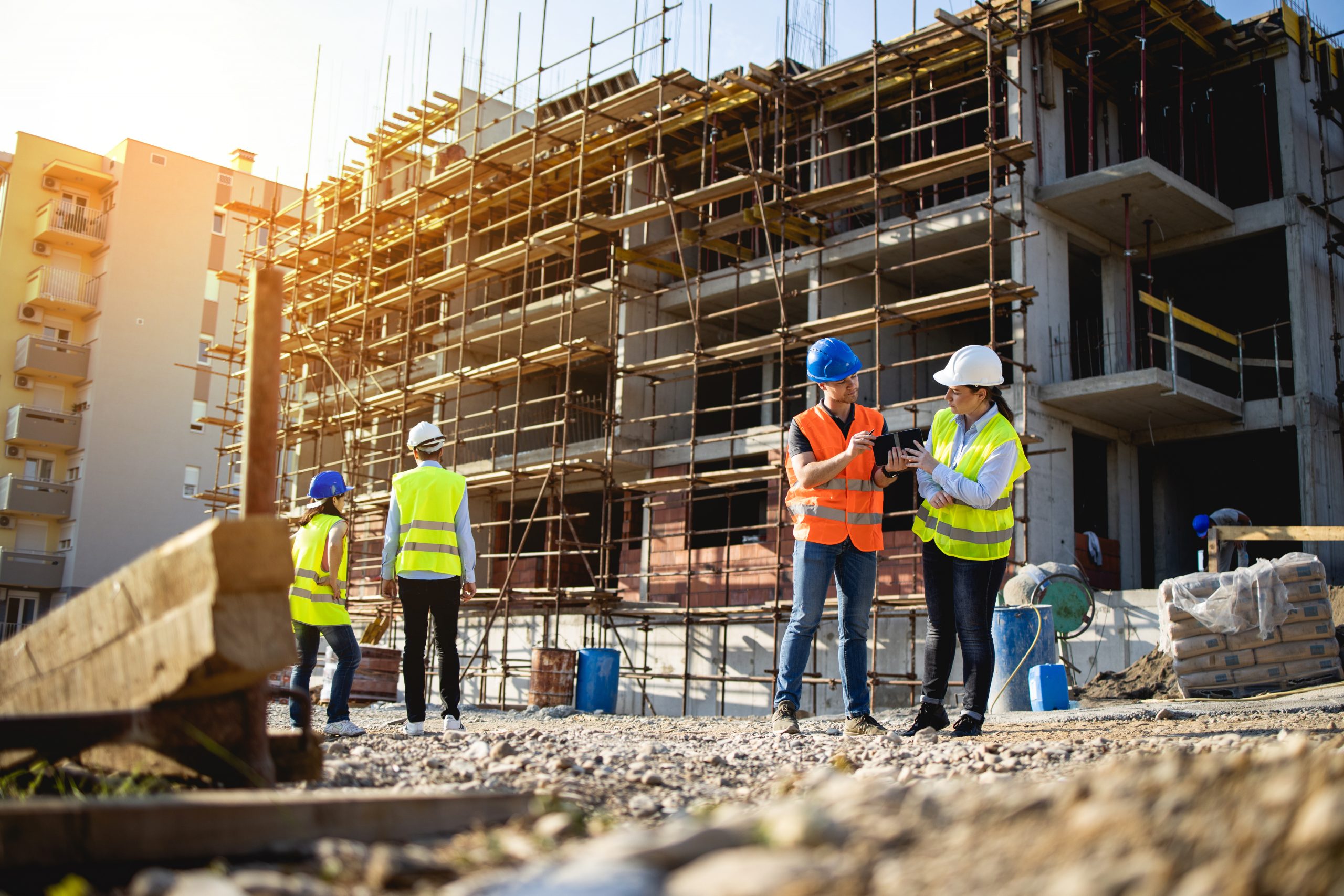
On my short commutes to work, weekly visits to the YMCA, or even dropping my kid off at school, the buzz of construction can be seen and heard all throughout Pierce County. These sites might fade into the background for most of us, but they’re the heartbeat of a county that’s growing, improving, and quite literally building its future. From the new houses springing up in Fredrickson and Gig Harbor to cranes hovering over Tacoma’s skyline, the construction sector is everywhere around us. It’s not just about structures and machines, though; it’s about people. It’s about the men and women in hard hats who pour their skill and sweat into making Pierce County a better place to live, work, and play.
In this blog, we’re shining a spotlight on Pierce County’s construction industry, which is a cornerstone of our local economy and a source of excellent career opportunities for our residents. Whether you’re a job seeker curious about trades, an employer in the industry, an educator guiding students, or a policymaker looking at economic strategy, understanding this sector is key. Let’s take a tour of the current landscape, future outlook, and the workforce that is Building Pierce County.
The Current Landscape: Construction’s Role in Pierce County
First, some quick facts to set the stage:
Big and Growing
Construction employs roughly 27,000 people in Pierce County today (workforce-central.org), including carpenters, laborers, electricians, plumbers, heavy equipment operators, and you name it. It’s one of our top five industries by employment. And it’s gearing up for more. Experts expect thousands of new construction job openings locally in the next few years as projects multiply and older workers retire.
Good Wages
These are well-paying jobs. The average construction worker in Pierce County makes between $23-$41 per hour, notably higher than the U.S. average for similar work. Entry-level roles start lower, but many skilled tradespeople earn $70,000–$100,000+ a year with experience and overtime. In Pierce County, a typical construction laborer earns around $57,300/year, and supervisors make over $100,000 (State of Workforce Report). In short, building stuff can build a solid living!
Key Building Blocks
Our construction sector isn’t one monolith; it has a few major pieces. Homebuilding is huge (think new subdivisions and apartment complexes popping up to meet housing demand). Commercial construction is also active, from schools and hospitals to warehouses and coffee shops. And then there’s infrastructure: roads, bridges, utilities; the less-visible but vital projects (more on a big one like SR-167 in a moment). Last but not least, specialty trades contractors (electricians, plumbers, etc.) form the backbone, handling the technical guts of all these projects. Fun fact: specialty trade workers typically make up more than half of all construction jobs, since every big project might involve dozens of subcontractor firms for different crafts.
Major Players
Construction happens at all scales. We have family-owned local builders with five employees renovating a storefront, and we have national firms with hundreds of workers building a freeway interchange. Some notable local companies: Absher Construction (Puyallup) and Korsmo Construction (Tacoma) are two home-grown general contractors behind many schools and civic buildings. And for big infrastructure, firms like Kiewit, BnBuilders, or Skanska often bring their crews to town. It’s a mix of small businesses and big contractors, all providing jobs and services here.
Construction is a major economic driver in Pierce County. Nearly 27,000 people work in the construction industry locally, making it one of the largest sectors in our region. That includes everyone from home builders and commercial contractors to road crews and specialty trades. The signs of this growth are visible all around us. Think of the new residential developments in our suburbs and the ongoing commercial projects reshaping downtown Tacoma’s skyline. This sector’s importance is also tied to our area’s growth patterns: housing development has boomed in Pierce County’s communities as families seek more affordable homes outside of Seattle, driving demand for new construction. At the same time, the continual need to upgrade and modernize facilities at Joint Base Lewis-McChord (JBLM) provides steady work for construction firms through military contracts. In short, construction isn’t just background noise; it’s central to our county’s expansion and improvement.
Beyond the raw numbers, consider the range of what Pierce County’s construction sector builds. It’s the roads and bridges that connect our communities, the schools our children learn in, the hospitals and clinics that care for us, the warehouses and ports that drive commerce, and the homes we return to each day. Every project, big or small, contributes to both the physical landscape and the economic well-being of the county. These projects also create a multiplier effect. Construction spending flows into local suppliers, engineering and architecture services, retail (when workers spend their paychecks), and so on. That’s why construction employment is often seen as a strong indicator of economic health. When cranes are up and sites are buzzing, it typically means the economy is moving in the right direction.
Meet Your Builders: The People Behind the Hard Hats
Let’s talk about who builds Pierce County. Picture a construction crew…you might imagine a bunch of burly guys in hard hats. Traditionally, you’d be right that it’s been mostly men, around 80-90% of the workforce (esd.wa.gov), but that picture is slowly but surely broadening. Here are some snapshots of our construction workforce:
Generational Mix
Walk onto a job site, and you might see a 60-year-old foreman with 40 years of experience working alongside a 19-year-old apprentice who’s just starting out. That passing of the torch is happening daily. The older generation (Baby Boomers) has been the backbone, but many are retiring. The median age in trades is on the higher side. In construction, that’s a lot of know-how reaching retirement. The upside? Young workers have enormous opportunities to step up.
Women in Construction
One of the most exciting changes is seeing more women join the trades. It’s still a male-majority field, but women are breaking barriers, swinging hammers, welding beams, running heavy equipment, and doing it well. It’s not just about opening doors; the industry actively needs women to help fill the labor shortage. Many companies are realizing that recruiting women is essential for business. So, if you’re a woman who likes working with your hands or being outdoors, know that local trades are increasingly welcoming (and there are support networks to ensure you thrive).
Reflecting Our Community
Pierce County is diverse, and our construction workforce is too. Right now, the majority of local construction workers are white (around 3 in 4), but about 15% are Hispanic/Latine, a group that has long been integral to construction trades. Other racial groups like Black and Asian workers have historically been underrepresented. However, apprenticeship data regionally shows that the share of apprentices who are people of color has been increasing each year.
Veterans and Transitioning Military
Pierce County is home to JBLM, so we have many veterans in our midst, and they happen to make excellent construction pros. Many vets find a second career in construction through programs like Helmets to Hardhats. The discipline, teamwork, and experience with heavy equipment or engineering that military members have often translate perfectly to the construction world. It’s a win-win: veterans get high-paying jobs, and the industry gains reliable, skilled workers.
In essence, the face of construction is evolving. It’s still the seasoned foreman and the young apprentice, but it’s increasingly also male and female, multi-ethnic, veteran, and civilian. What unites them is a pride in craftsmanship and a tangible, can-do spirit. One thing you’ll almost always find on a job site is a sense of pride and accomplishment. Ask a construction worker what they do, and many will say with a grin, “I built that.” They can drive by a bridge or building and know they had a hand in making it real. That pride is infectious and is a big part of the human story behind those hard hats.
Future Outlook: Growth, Challenges, and Trends
Looking ahead, Pierce County’s construction industry is poised to remain busy, although the road forward has its ups and downs. After a slight slowdown in 2024 (due in part to high interest rates that cooled the housing market), many builders are cautiously optimistic about a rebound. In a late-2024 survey of Washington contractors, more firms expected the volume of projects in 2025 to increase rather than decrease, with over half anticipating higher dollar-value project opportunities compared to the previous year. This optimism spans multiple segments, from public infrastructure to multifamily housing, reflecting pent-up demand and new funding sources in the pipeline. For example, housing forecasts predict a rebound in home construction. Washington REALTORS® projected about a 13.8% increase in new home building statewide for 2025, suggesting builders are ready to ramp up production after the lull. If that holds true in Pierce County, we could see more residential projects keeping roofers, framers, and concrete specialists busy again.
Public infrastructure and commercial development are also key pieces of the outlook. Pierce County benefits from regional investments; think road expansions, school bond projects, and port improvements. Our area has led the way in certain types of construction, such as new industrial warehouses to support the logistics growth (the Port of Tacoma and surrounding areas have seen a surge of large distribution center projects). Major transportation initiatives, including highway upgrades and future transit expansions, are also on the horizon, which would further feed demand for construction services. All of this means that the pipeline of projects in Pierce County remains solid, even if the growth rate may fluctuate with economic conditions.
However, the future isn’t without challenges. One of the construction sector’s biggest hurdles is a shortage of skilled workers. Nearly 78% of construction firms in Washington report struggling to fill craft trade positions and hire qualified workers. Even as project demand ticks up, companies can’t take on work if they don’t have enough carpenters, electricians, ironworkers, or heavy equipment operators to staff the jobs. The silver lining is that as the market picks up again (with forecasts showing a stronger rebound by 2026), there will be high demand to replace and grow the workforce. This strong project outlook, but tight labor supply, puts Pierce County in a position where investing in workforce development is crucial. It also spells opportunity for local job seekers. If you have the skills, or are willing to learn them, the construction sector will likely offer plenty of openings in the coming years.
In-Demand Construction Roles in Pierce County
Some of the most in-demand and widely employed construction occupations in Pierce County include:
Construction Laborers
The backbone of job sites, performing a wide range of physical tasks to assist skilled trades and keep projects moving. This is often an entry-level role and a great way to break into the industry while learning on the job.
Carpenters
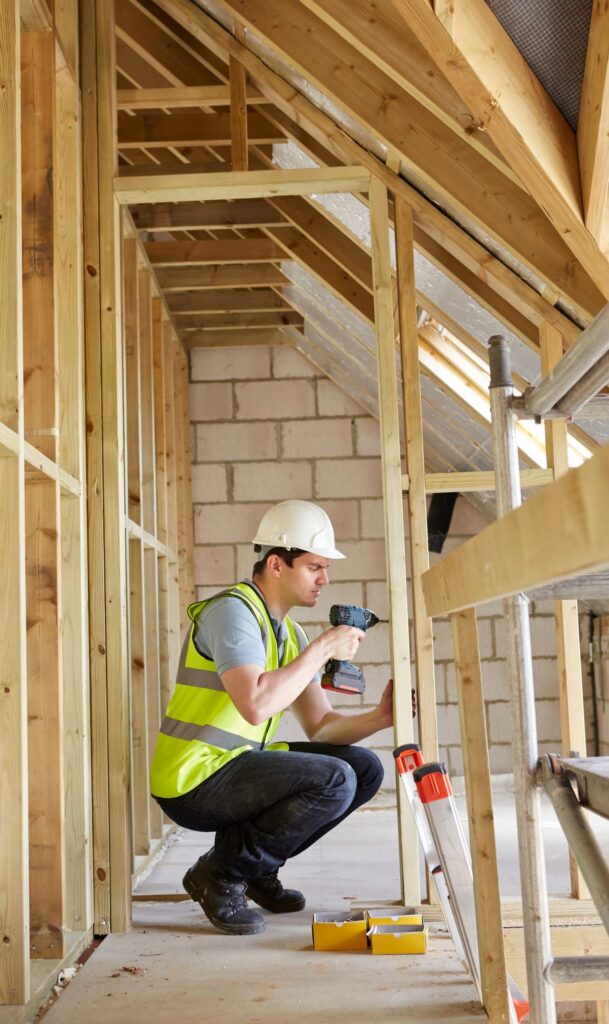
Skilled craftsmen who build, install, and repair the wooden frameworks and structures in buildings (from formwork and framing to cabinets and finishes). Carpenters are needed on nearly every building project, residential or commercial.
Electricians
Experts in installing and maintaining electrical systems, wiring, and lighting in structures. Electricians are in high demand for everything from new construction to retrofit projects.
Plumbers & Pipefitters
Tradespeople who install and fix piping systems for water, sewage, gas, and HVAC. They’re vital for ensuring buildings have safe plumbing and heating/cooling systems (and these roles often come with strong wages and union benefits).
Heavy Equipment Operators
Operators of bulldozers, excavators, cranes, and other heavy machinery that prepare sites and move earth/materials. Whether it’s road construction or high-rise foundations, these skilled operators literally lay the groundwork for progress.
Construction Supervisors & Managers
Experienced professionals (often former tradespeople) who coordinate crews, subcontractors, budgets, and schedules on the job site. They make sure work is done safely, on time, and to specifications. These leadership roles typically come after years of field experience (or additional education in construction management), and median salaries can reach into six figures for roles like first-line supervisors and project managers.
Each of these roles plays a part in the larger construction ecosystem. Not only do they offer stable, good-paying careers, but they also carry a sense of pride. It’s quite fulfilling to point to a building, bridge, or neighborhood and say, “I helped build that.” Pierce County’s construction workforce spans from entry-level laborers to highly specialized trades and seasoned managers, and there’s a place on the team for everyone willing to put in the work to learn the craft.
Career Pathways and Workforce Development Opportunities
One of the great strengths of the construction sector is the variety of pathways into a career. Unlike some industries where a four-year college degree is the primary ticket to entry, construction offers multiple routes for people of different backgrounds. The most time-honored route is through registered apprenticeships. Apprenticeships are “earn-and-learn” programs where you receive formal training (often through classroom or lab sessions) and on-the-job experience while working for a real employer. In Pierce County, many construction trades, from electricians (through IBEW union apprenticeships) and carpenters (through the Carpenters Training Center) to plumbers, ironworkers, sheet metal workers, heavy equipment operators, and more, have apprenticeship programs. These typically last 2 to 5 years, depending on the trade, and apprentices gradually move from basic tasks to more complex ones under the guidance of journeyman mentors. By the end, apprentices earn journey-level certification in their trade, which is a nationally recognized credential. The best part? They’ve been earning a wage the whole time, and they typically step into journey-level roles making $30+ an hour (often with benefits and pension if it’s a union trade). College can be a powerful path, but in construction, you can build a career without taking on student debt, which is a huge draw for many.
Another pathway is through our local community and technical colleges. Pierce County is home to institutions like Clover Park Technical College, Bates Technical College, Tacoma Community College, and Pierce College, which offer construction and trades programs. For example, Bates has programs in carpentry, electrical construction, HVAC, sheet metal technology, and welding, among others. Clover Park, which just recently opened the Eastside Training Center, has offerings in construction management and low-voltage electrician training, to name a few. These programs often work hand-in-hand with industry; many include opportunities to earn industry certifications or prepare for apprenticeship entry exams. WorkForce Central and its partners have even provided funding to support students in these programs, including covering tuition or equipment costs and providing wraparound support services so that more residents can enroll and complete their training. These efforts show the community’s commitment to developing homegrown talent for our construction workforce.
For younger students or those exploring the trades, pre-apprenticeship programs provide a great introduction. Programs like Palmer Pathways (a pre-apprenticeship that provides young adults with the tools they need to be successful in the trade of their choice) or ANEW give participants a taste of different construction skills, help them earn entry-level certifications, and often guarantee direct entry or preferred placement into formal apprenticeships afterward. High schools in the region are also expanding career and technical education offerings. Some have construction tech classes or even partnerships with organizations that allow high schoolers to start learning a trade before graduation. The key is to expose people early to the possibility of a trades career, so by the time they graduate (or soon after), they can transition smoothly into an apprenticeship or job. As industry leaders noted at a recent construction roundtable, helping job seekers “identify a trade early,” whether through union hall tours, school career days, or mentorship, significantly increases their success rate in apprenticeship programs. Knowing the path you want to pursue makes it easier to jump in with both feet.

From a workforce development perspective, there’s a strong push in Pierce County to remove barriers that might prevent someone from entering or staying in the construction field. For instance, many trades require a starter set of tools, which can be expensive for someone just beginning. In April, WorkForce Central, in partnership with a local contractor (Korsmo Construction) and others, launched a Tool Drive to collect and provide essential tools to pre-apprenticeship graduates and new hires who need them. This kind of community support can make a huge difference! Imagine starting an apprenticeship as an electrician and being handed your first set of quality tools so you don’t have to spend thousands out of pocket. Similarly, other challenges like reliable transportation to far-flung job sites or finding childcare during the long construction workdays are being addressed. Stakeholders have discussed creative ideas such as childcare assistance programs specifically for trades workers (even exploring apprenticeships for childcare providers to support working parents in the trades). There’s also ongoing work on policies like local hiring agreements and training funds to ensure that big projects hire local workers and invest in building their skills. All these efforts underscore a common goal: making construction careers accessible and inclusive for all Pierce County residents who want to pursue them.
It’s worth noting that the construction workforce is becoming more diverse and high-tech than in the past. While it has traditionally been a male-dominated field, today we see more women recruiting into the trades, as well as communities of color and veterans. The image of who can be a carpenter or a crane operator is broadening, which is exciting because a diverse workforce will better reflect and serve our community. Additionally, construction work itself is evolving. There’s an increasing focus on green building and energy efficiency (think solar panel installations, electric vehicle infrastructure, sustainable materials), and technology on the job site is more prevalent (drones for surveying, tablets for project plans, laser scanners for measurements, etc.) This means the skill sets are expanding, and there are emerging roles at the intersection of construction and tech (for example, Building Information Modeling specialists who use software to create 3D building plans, or energy auditors who ensure new buildings meet green standards). For the upcoming generation of workers who grew up tech-savvy, these trends mean construction trades can offer both hands-on work and high-tech engagement. It’s truly a field where you can keep learning and advancing for decades.
Conclusion
Pierce County’s construction sector is dynamic, robust, and deeply essential to our region’s future. It quite literally builds the foundation (and the walls, roofs, and roads!) upon which our communities grow. Beyond the tangible structures, it’s building prosperity, offering thousands of residents pathways to living-wage careers and upward mobility. The industry’s current landscape shows a sector busy on all fronts, from housing developments in our neighborhoods to infrastructure projects improving our transportation and utilities. The outlook ahead is largely positive, with plenty of projects on the books, but it will require all hands on deck to meet the demand. That’s why investing in our local workforce through training, apprenticeships, education, and supportive programs is so critical. By bringing more people into the trades and equipping them with the skills and tools they need, we ensure that the construction workforce remains strong, resilient, and reflective of Pierce County’s population.
For job seekers, if you enjoy working with your hands, solving practical problems, and want a career where you can literally see the results at the end of the day, construction might be your calling. There’s a special pride in driving past a building, park, or bridge and saying, “I built that.” And with the demand for workers high, now is an excellent time to explore opportunities, whether that means applying for an apprenticeship, enrolling in a trades program, or even just attending a workshop or career fair to learn more. For employers and industry leaders, collaborating with educators and workforce agencies will be key to filling talent gaps. The good news is that Pierce County is tackling these challenges head-on, with innovative partnerships and community support.
In summary, the construction sector in Pierce County isn’t just about hard hats and hammer swings; it’s about building a stronger economy and community. Every new skilled worker we train, every barrier we remove, and every project we complete contributes to a brighter future for our region. We are quite literally building Pierce County’s tomorrow, today.
In the grand scheme, the construction sector’s story is really the story of Pierce County itself: growing, changing, and striving to be better, while grounded by hardworking people who care about this place. We at WorkForce Central are proud to support this vital sector, connecting job seekers to training and employers and ensuring that all parts of our community share in the growth.
So here’s to the builders, the dreamers in neon vests who turn blueprints into reality. Your work quite literally shapes our world. And here’s to those who will join their ranks in the days ahead. There’s a hard hat waiting with your name on it. Together, let’s keep building Pierce County strong, vibrant, and full of opportunity for generations to come.
For a deep dive into our region, check out our latest 2025 State of the Pierce County Workforce Report.

Read the Report
Click the button below to read the full 2025 State of the Pierce County Workforce Report report.